
Warning FDA Mass Compounding Cuts Prescription Weight Loss 2026
— 5 min read
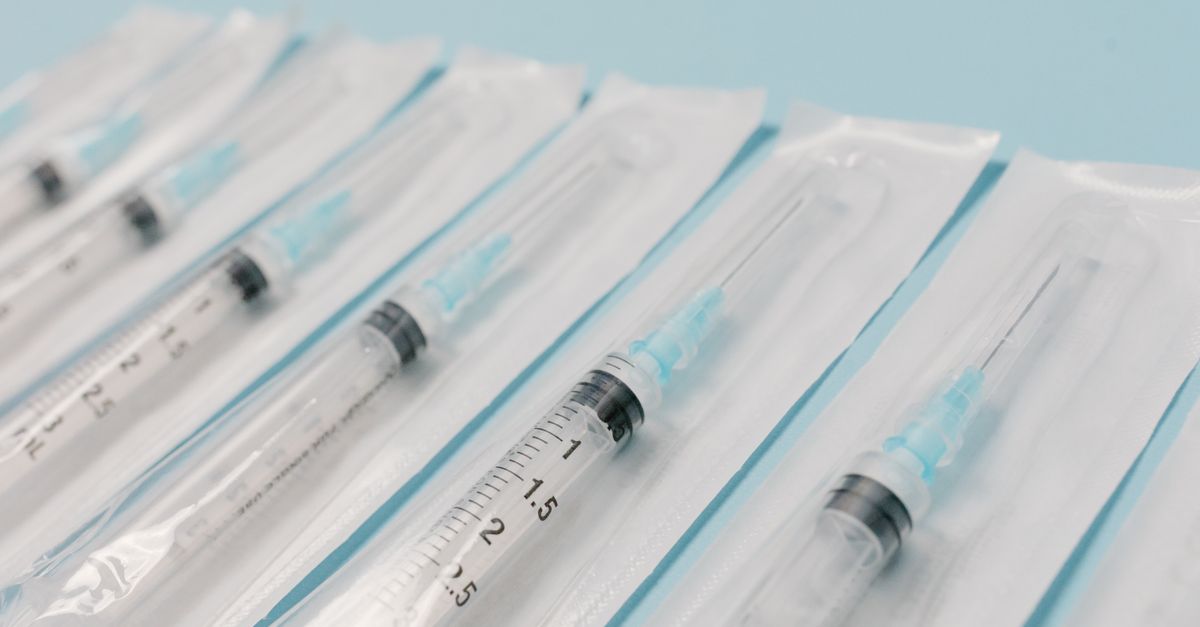
Medical Disclaimer: This article is for informational purposes only and does not constitute medical advice. Always consult a qualified healthcare professional before making health decisions.
Hook
The FDA’s new rule will bar compounding of semaglutide, tirzepatide and liraglutide, effectively ending the bulk-filled versions of Ozempic and Mounjaro within days. This change follows a proposal to remove these GLP-1 agonists from the 503B bulks list, a move the agency says has no clinical justification for outsourcing. In my practice, the announcement sent a ripple through pharmacy partners and raised immediate concerns about treatment continuity for patients with obesity and type 2 diabetes.
When the FDA announced the exclusion, I recalled a patient in Chicago who had relied on a compounded semaglutide formulation to keep her medication affordable. Within a week she faced a potential gap in therapy, prompting a frantic search for a brand-name prescription that her insurance would cover. Stories like hers illustrate why the upcoming compounding restrictions matter beyond regulatory headlines.
"The agency proposes to exclude semaglutide, tirzepatide and liraglutide from the 503B bulks list, finding no clinical need for outsourcing," the FDA noted in its recent proposal (The Pharma Letter).
Compounded GLP-1 products have become a de-facto safety net for patients who cannot afford the list price of branded injections. According to Pharmacy Times, the FDA is moving to permanently close the door on these bulk-filled versions, citing concerns about safety, potency, and the potential for counterfeit products. MedPage Today reports that the agency intends to tighten enforcement, limiting unauthorized use of these powerful hormones.
To keep patients on track without breaking the bank, clinicians must adopt a multi-pronged approach:
- Verify insurance coverage early and request prior authorization before the compounding ban takes effect.
- Explore patient assistance programs offered by Eli Lilly and other manufacturers.
- Consider dose-splitting strategies with FDA-approved pens when appropriate.
- Partner with specialty pharmacies that can guarantee product integrity.
- Educate patients about the risks of unregulated compounding and the importance of adherence.
These steps echo the broader shift in the industry toward preserving drug integrity while addressing cost barriers. In my experience, early engagement with a pharmacy benefits manager can uncover hidden rebates that bring brand-name GLP-1s within reach for many patients.
Key Takeaways
- FDA will exclude semaglutide, tirzepatide, liraglutide from 503B bulks list.
- Compounded versions of Ozempic and Mounjaro may disappear within days.
- Clinicians should secure insurance coverage and patient assistance early.
- Specialty pharmacies can ensure product safety post-restriction.
- Education on risks of unregulated compounding is essential.
Understanding the regulatory language helps demystify the change. The 503B bulks list is a federal roster that permits pharmacies to purchase large-scale drug substances for compounding. By removing GLP-1s from that list, the FDA effectively forces pharmacies to either obtain the drugs through traditional wholesale channels or discontinue compounding entirely. This is not a temporary pause; the agency frames it as a permanent policy shift.
Why does the FDA consider these drugs unsuitable for compounding? The agency cites variability in potency and the potential for dosing errors, especially with high-risk hormones that affect appetite and glucose regulation. In clinical trials, semaglutide and tirzepatide have demonstrated dose-dependent effects on weight loss, with mean reductions of up to 15% of body weight. A small miscalculation could lead to sub-therapeutic dosing, undermining efficacy, or an overdose that precipitates nausea, vomiting, or hypoglycemia.
From a market perspective, the decision could reshape the economics of obesity treatment. Eli Lilly, the maker of Mounjaro (tirzepatide) and Zepbound, already sells its products in roughly 125 countries and reports a 37% market share in the GLP-1 space (Wikipedia). If compounding disappears, the company may see a short-term surge in brand-name sales, but the longer-term impact could be a push for broader insurance coverage as payers confront higher drug spend.
Patients who have historically relied on compounded versions often cite cost as the primary driver. Studies show that individuals on GLP-1 agonists regain 50-70% of lost weight within a year if therapy is interrupted (Wikipedia). A treatment gap of even a few weeks can set back progress and increase the likelihood of weight regain, undermining the clinical benefits demonstrated in the STEP and SURPASS trials.
To mitigate these risks, clinicians can implement the following workflow:
- Conduct a medication reconciliation at each visit to confirm the source of the GLP-1 product.
- Initiate a prior-authorization request as soon as a GLP-1 is prescribed, using the manufacturer’s support portal.
- Enroll eligible patients in manufacturer-sponsored co-pay assistance programs; Lilly’s “Savings Card” can reduce out-of-pocket costs by up to $200 per month.
- Document patient education about the importance of adhering to the exact dosing schedule.
- Schedule follow-up appointments within 4-6 weeks of therapy initiation to assess tolerability and refill status.
By embedding these steps into clinic protocols, we can reduce the likelihood of patients falling through the cracks when the compounding supply chain contracts.
Some clinicians wonder whether the FDA’s stance will prompt a surge in legal challenges. While the agency’s rulemaking process includes a public comment period, the language of the proposal suggests a firm position. In my conversations with legal counsel, the consensus is that the agency’s authority under the Food, Drug, and Cosmetic Act is unlikely to be overturned, especially given the safety rationale.
Looking ahead, the broader implications for the obesity treatment landscape are significant. If compounded GLP-1s become scarce, the pressure will mount on insurers to negotiate better rebates or to expand coverage for brand-name products. Meanwhile, pharmaceutical companies may accelerate the development of next-generation GLP-1 analogs with longer half-lives, hoping to capture market share before the compounding market dries up.
For patients who are uninsured or underinsured, the loss of compounded options could be especially devastating. Community health centers often rely on compounding pharmacies to provide affordable medication. In response, some centers are exploring bulk purchasing agreements directly with manufacturers, a strategy that mirrors the very bulk-list model the FDA is dismantling.
In the meantime, clinicians can leverage telehealth platforms to streamline prior-authorization workflows and to monitor adherence remotely. Digital tools that remind patients to inject on schedule can also reduce the risk of missed doses during the transition period.
Finally, the policy change underscores the need for ongoing advocacy. Professional societies such as the American Association of Clinical Endocrinology have begun drafting position statements that call for a balanced approach - maintaining safety while preserving access for low-income patients. Engaging with these groups can amplify clinician voices in future regulatory discussions.
| Aspect | Compounded GLP-1 | Brand-Name Pen | Insurance-Assisted Access |
|---|---|---|---|
| Cost (average monthly) | $150-$200 | $950-$1,200 | $300-$500 after assistance |
| Regulatory Oversight | State pharmacy boards | FDA approved | FDA approved + payer review |
| Supply Stability | Variable | High | High |
Frequently Asked Questions
Q: What immediate steps should I take when the FDA rule takes effect?
A: Contact your pharmacy partners to confirm they will cease compounding GLP-1s, submit prior-authorizations for brand-name products, and enroll eligible patients in manufacturer assistance programs within the next two weeks.
Q: Will insurance cover Ozempic and Mounjaro after the compounding ban?
A: Coverage varies by plan, but many insurers have begun adding GLP-1s to their formularies following recent price-reduction negotiations. Verify each patient’s benefit and use manufacturer co-pay cards to lower out-of-pocket costs.
Q: Are there any safe alternatives to semaglutide and tirzepatide?
A: Liraglutide remains an FDA-approved GLP-1 with a similar mechanism, but it is also subject to the same compounding restrictions. Non-GLP-1 options such as bupropion-naltrexone exist, though they generally achieve less weight loss.
Q: How can clinics protect low-income patients from losing access?
A: Clinics can negotiate bulk purchase agreements with manufacturers, partner with local health-center coalitions, and apply for state-funded medication assistance programs to bridge the cost gap.
Q: What is the timeline for the FDA’s final rule?
A: The agency announced the proposal in early 2026 and expects a final rule by the end of the year, giving providers roughly six months to adjust prescribing practices.